


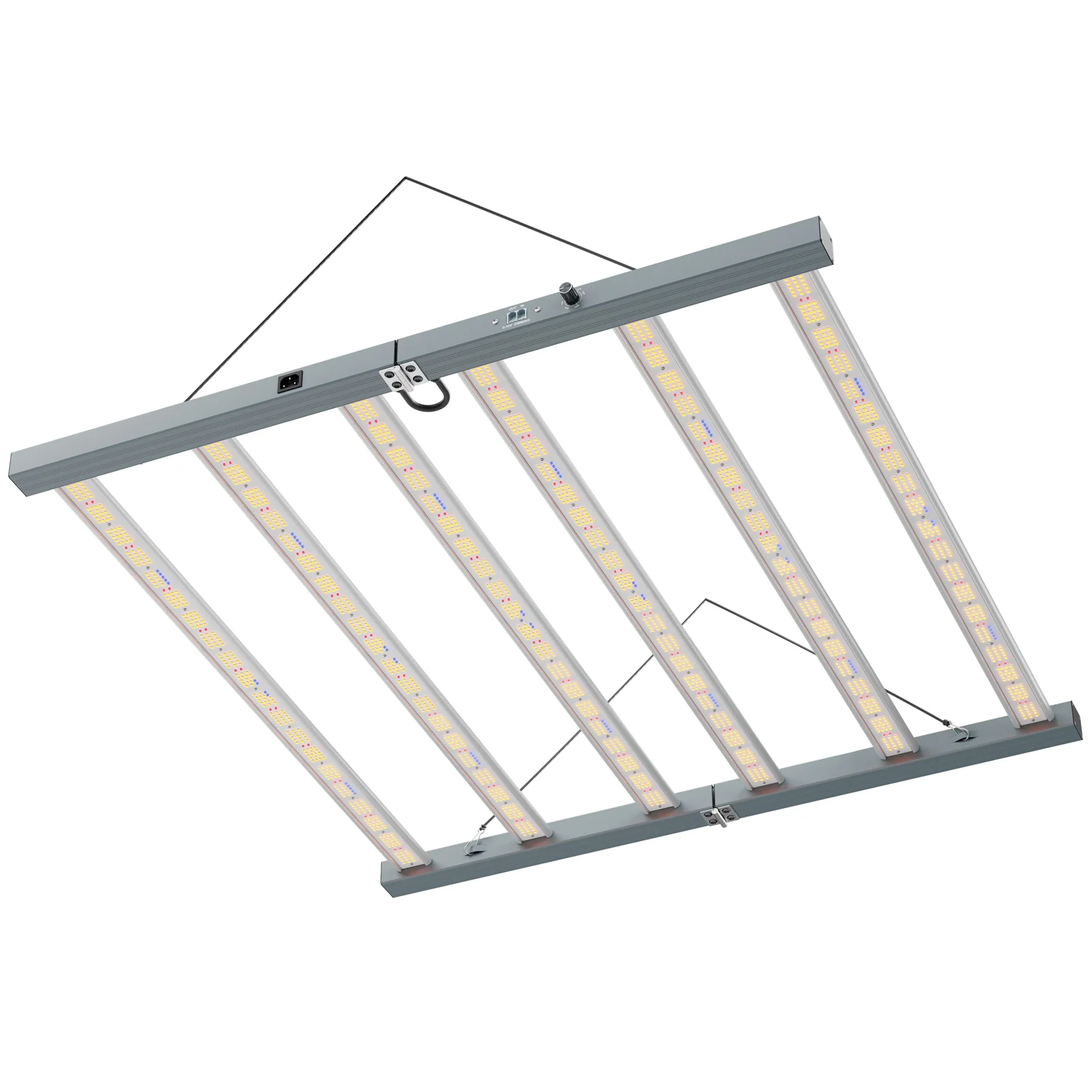
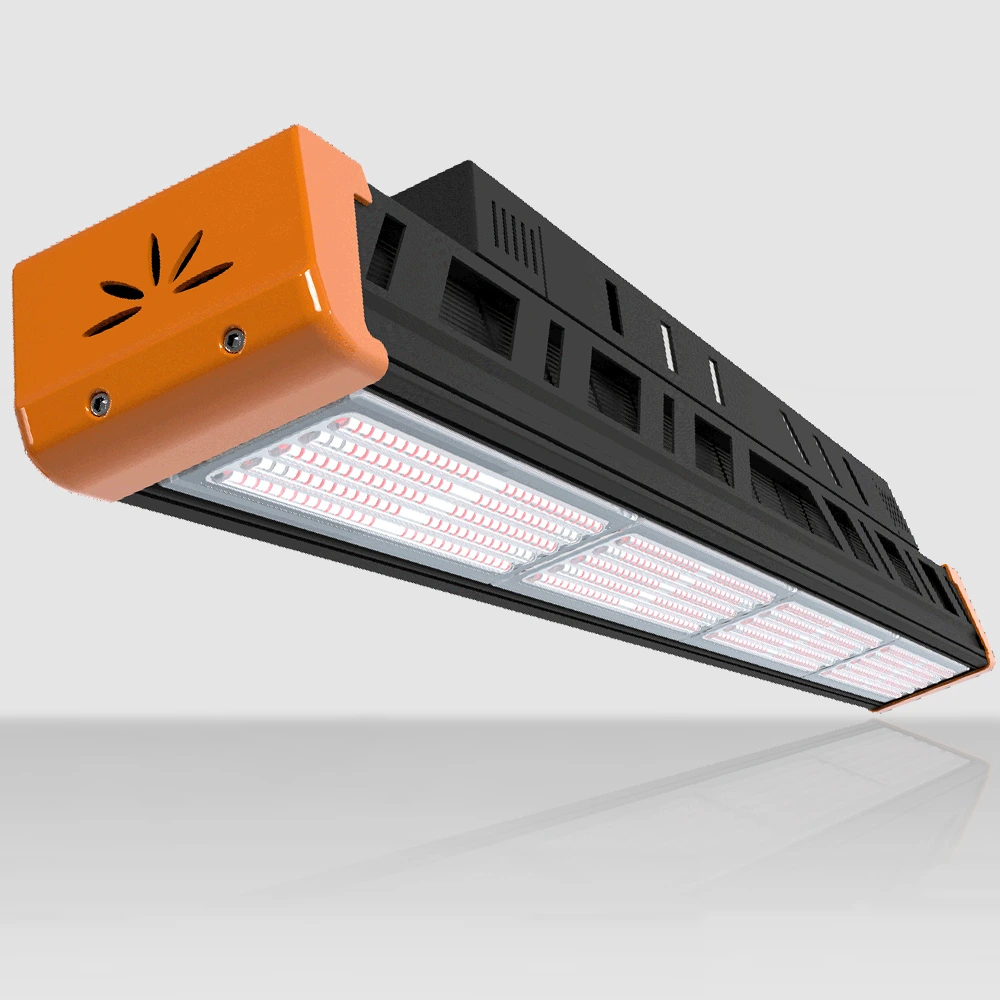
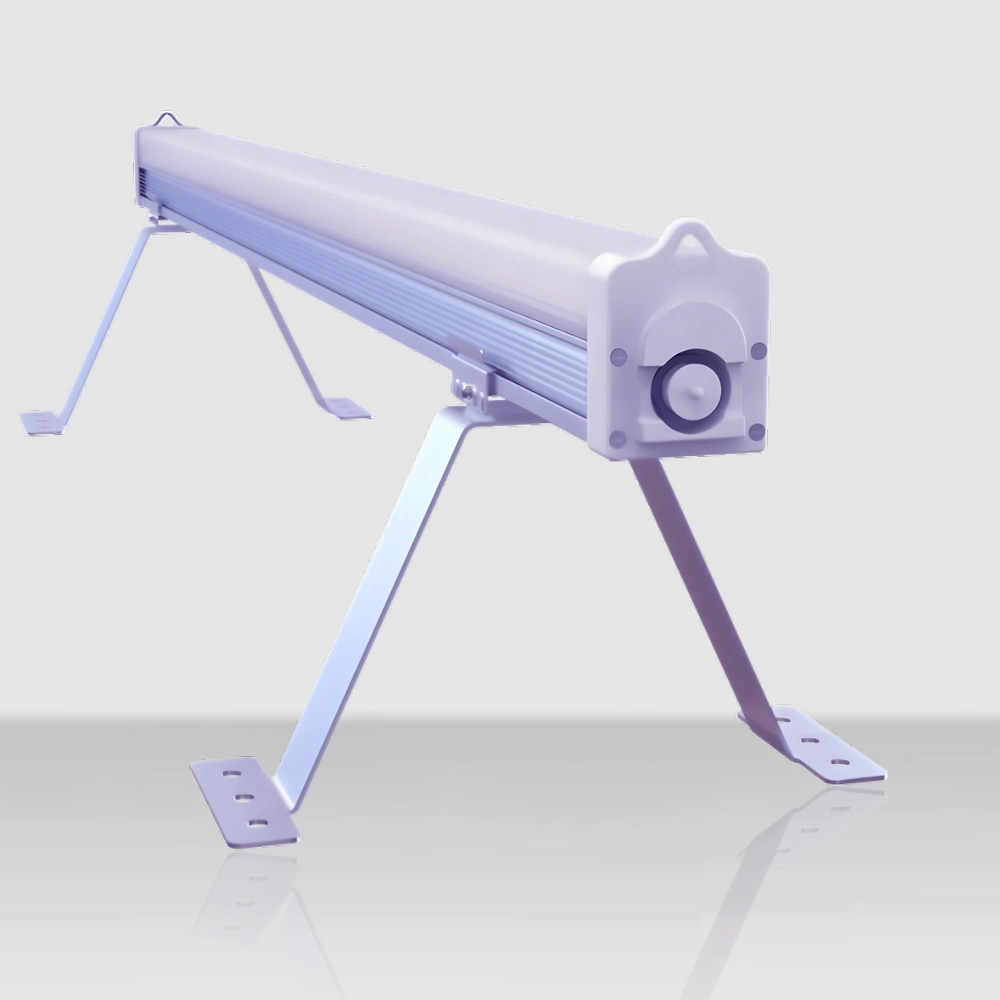
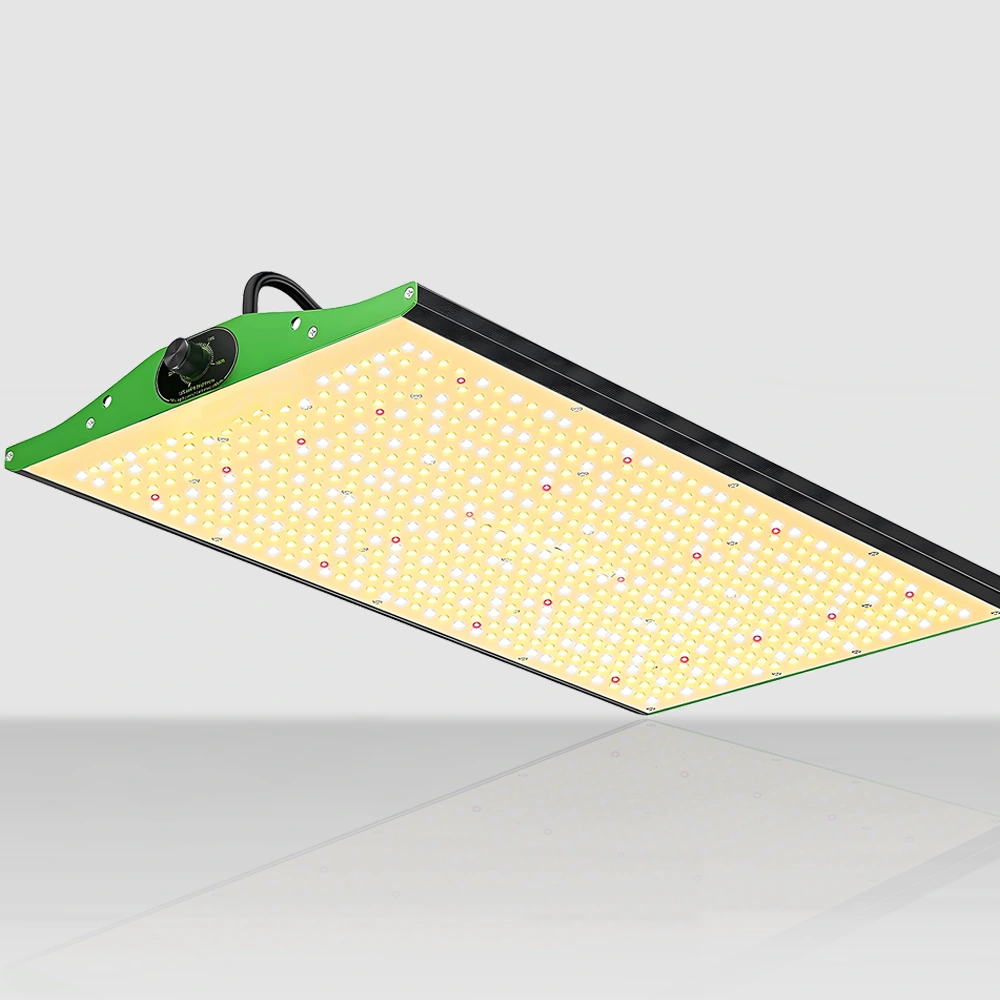
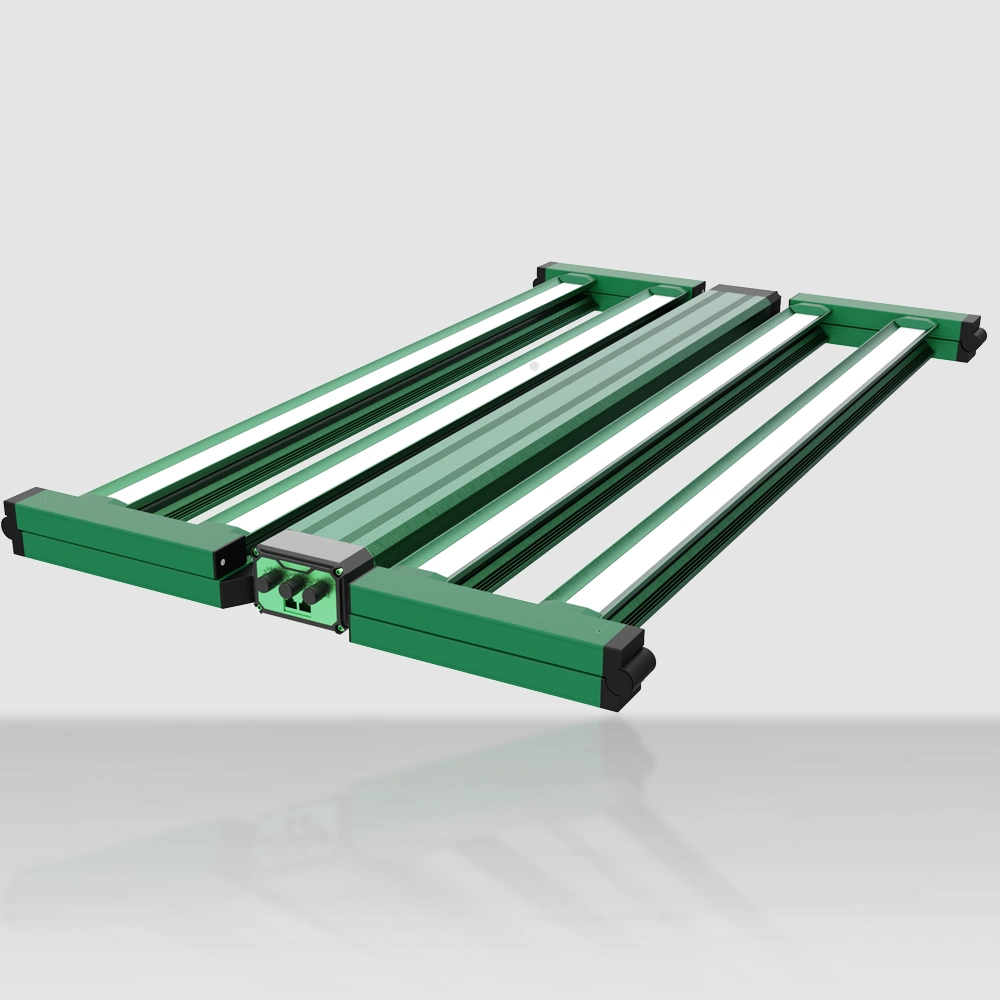

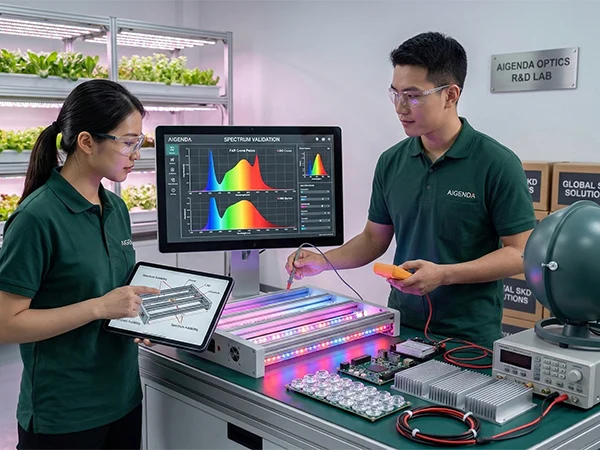
AIGENGDA Spectroscopy Research Laboratory
I. Technical Positioning: A precision light-recipe system tailored to the photophysiological characteristics of leafy vegetables
This spectral solution is grounded in the response mechanisms of higher plant photoreceptors, the patterns of photosynthetic carbon metabolism in leafy vegetables, and the environmental characteristics of high-density vertical cultivation. By employing quantitative wavelength ratios, photon flux calibration, and optimized light-efficiency parameters, it establishes a standardized lighting system aligned with the specific growth rhythms of leafy vegetables. Unlike the generalized designs of broad-spectrum light sources, this solution offers exceptional crop targeting and adaptability to specific cultivation environments.
The core spectral parameters are calibrated to the optimal physiological thresholds for facility-based leafy vegetable cultivation: the Photosynthetically Active Radiation (PAR) wavelength composition comprises 53.96% red, 27.48% blue, 15.34% green, 3.17% far-red, and 0.06% ultraviolet light. Key ratios include R:B = 3.36:1 and R:FR = 19.42:1, with a photon energy efficiency (EFF) of 2.274 μmol/J. The full-spectrum output eliminates ineffective, redundant wavelengths and growth-inhibiting light qualities, achieving an optimal three-way balance between photosynthetic energy utilization, stable plant morphogenesis, and suitability for commercial-scale cultivation, all in compliance with technical standards for precision supplemental lighting in facility horticulture.
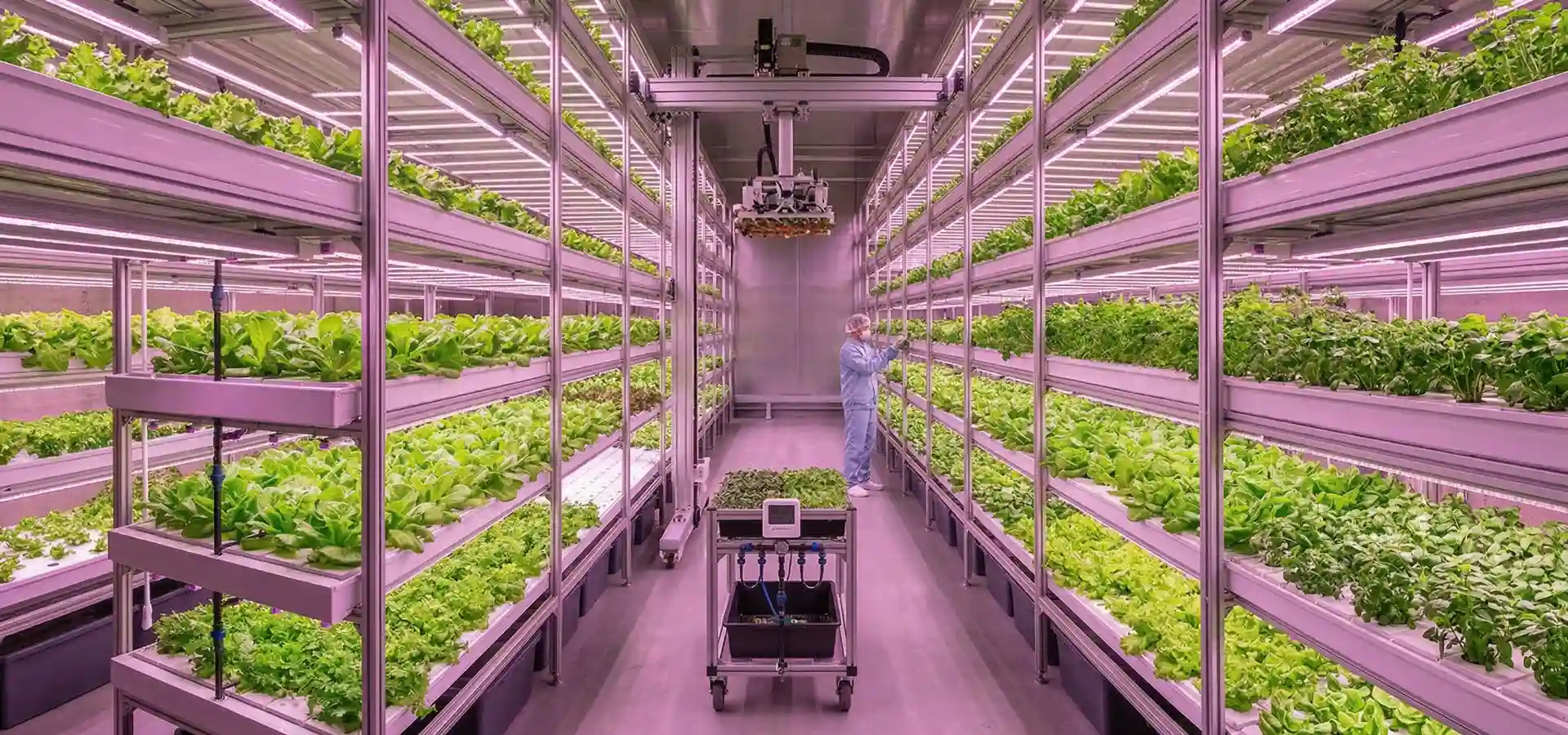
Indoor leafy vegetables green farm
II. Core Photophysiological Mechanisms: Multi-wavelength synergistic regulation of crop growth and metabolism
2.1 Precision Red-Blue Ratio: Synergistic regulation of carbon assimilation and photomorphogenesis
660 nm red light corresponds to the primary absorption peak of chlorophyll in terrestrial leafy vegetables and serves as the dominant light quality for photosynthetic carbon assimilation. The high proportion of red light in this solution significantly activates Ribulose-1,5-bisphosphate carboxylase/oxygenase (Rubisco) activity and enhances photosynthetic electron transport efficiency. It promotes leaf cell proliferation, protoplasm accumulation, and dry matter synthesis, effectively increasing individual plant biomass and yield per unit area. This provides the abundant energy required for the expansion of vegetative organs in fast-growing leafy vegetables, overcoming technical limitations associated with general-purpose light sources—such as insufficient red light flux, low carbon metabolism efficiency, and slow biomass accumulation. As a core regulatory waveband for photomorphogenesis, 450 nm blue light precisely regulates hypocotyl elongation, internode differentiation, and petiole development by activating cryptochrome and phototropin signaling pathways. It effectively suppresses physiological issues—such as leggy growth, weak stems prone to lodging, and disordered plant architecture—often encountered in high-density planting environments. Simultaneously, blue light modulates stomatal conductance and enhances the intercellular CO₂ diffusion rate, synergistically boosting overall photosynthetic efficiency. It also induces the synthesis of stress-resistant secondary metabolites and promotes the accumulation of nutritional components like soluble solids and ascorbic acid. This approach achieves synergistic benefits—increased photosynthetic productivity, optimized plant architecture, and improved fruit quality—while avoiding growth defects caused by the unbalanced red-to-blue light ratios found in generic spectra.
2.2 Threshold-based green light ratio: Optimizing canopy light distribution and delaying photosynthetic decline
Conventional monochromatic red-blue spectra and standard full-spectrum lighting suffer from significant flaws in canopy light distribution. Red and blue light have poor penetration capabilities, often being intercepted solely by the upper functional leaves; consequently, leaves in the middle and lower canopy layers experience chronic light deficits. This leads to a sustained decline in Photosystem II activity, causing premature leaf senescence, chlorosis, and abscission, which significantly increases the rate of substandard plants in facility cultivation and limits effective yield per unit area.
This scheme incorporates an optimal green light proportion of 15.34%. Leveraging the high canopy penetration characteristics of green light, it effectively reaches the gaps in the upper canopy to supply photosynthetic energy to the middle and lower leaves. This ensures balanced photosynthetic activity across the entire canopy and eliminates "photosynthetic dead zones" associated with high-density planting. Furthermore, moderate green light alleviates photoinhibition and photo-oxidative damage caused by exclusive red-blue light exposure, reduces the rate of chlorophyll degradation, delays the senescence of functional leaves, and maintains photosynthetic stability throughout the plant's growth cycle. This ratio strictly adheres to the optimal threshold for light energy utilization in leafy vegetable canopies; it does not compete for photon resources in the core photosynthetic wavebands but serves specifically to enhance photosynthesis and regulate stress resistance.
2.3 High R:FR Ratio Regulation: Precisely Targeting the Vegetative Growth Rhythm of Leafy Greens
Far-red light mediates shade-avoidance responses and vegetative growth rhythms by regulating the conformational transition of plant phytochromes (Pr/Pfr). While fruit-bearing crops require low R:FR ratios to promote organ elongation, the commercial cultivation of leafy greens prioritizes vegetative expansion and compact plant architecture; thus, it is necessary to suppress traits associated with the onset of reproductive growth—such as leggy growth, bolting, and petiole elongation—induced by far-red light. Standard full-spectrum lights and spectra designed for fruit crops typically feature R:FR ratios of only 5–10:1; these ratios readily trigger physiological disorders and degrade commercial quality in leafy greens, failing to meet their specific physiological cultivation requirements.
The ultra-high R:FR ratio of 19.42:1 proposed here represents the optimal formulation for leafy greens. It stabilizes the phytochrome activation balance, effectively inhibits shade-avoidance signaling (preventing legginess), and eliminates physiological defects such as loose internodes, elongated petioles, and premature bolting. Simultaneously, it retains the positive physiological effects of trace far-red light—slightly boosting photosynthetic quantum yield in low-light environments and optimizing leaf area index—thereby achieving targeted promotion of vegetative growth and precise inhibition of unproductive elongation, effectively standardizing commercial quality at the light-quality level.
2.4 Precise Photon Flux Matching: Aligning with Light Environment Thresholds for Intensive Leafy Green Cultivation
In intensive, vertical facility cultivation systems, uneven photon supply and mismatched light environment thresholds often disrupt plant growth rhythms and cause uneven development across the crop population. By precisely calibrating total photosynthetic photon flux and waveband-specific quantum flux, this solution aligns perfectly with the light saturation and compensation points required for the vegetative growth stage of fast-growing leafy greens. Under continuous supplemental lighting, it ensures a stable supply of effective photons for photosynthetic metabolism, avoiding growth retardation caused by photon deficiency or photo-oxidative stress caused by excess photons, thereby guaranteeing uniform growth and stable developmental rhythms throughout the crop's lifecycle. This lighting solution features a spectral photon distribution that is highly coupled with the photosynthetic response curves of leafy vegetables. Its YPF (Yield Photon Flux) outperforms the PPF (Photosynthetic Photon Flux) of conventional light sources, with photon utilization across specific wavebands precisely matched to the rhythms of carbon metabolism and biomass accumulation in leafy vegetables, eliminating inefficient or redundant spectral bands. Compared to general-purpose broad-spectrum lights, this solution achieves precise coupling between light energy and crop physiological needs, effectively enhancing canopy photosynthetic assimilation efficiency. It resolves industry pain points such as uneven plant growth and poor product uniformity in intensive cultivation, providing a precise light environment to support standardized, large-scale, and stable production.
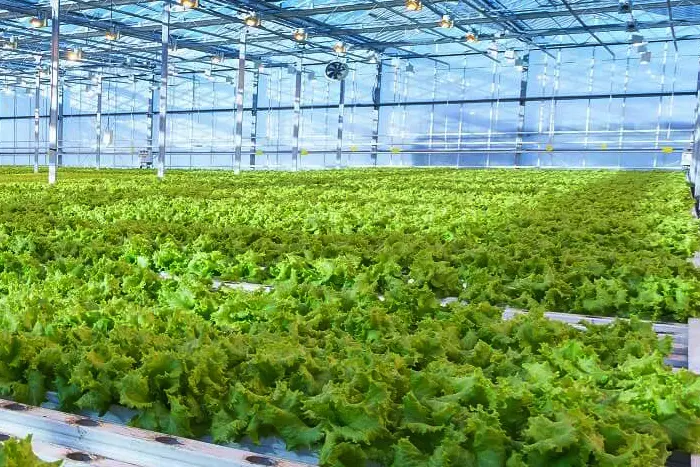
Greenhouse Leafy Vegetable Farm
III. Technical Differentiation of the Spectral Solution (Industry Standard Perspective)
1. Compared to monochromatic red-blue spectra: It addresses deficiencies in canopy light distribution and resolves technical issues—such as photosynthetic stagnation, premature senescence, and yellowing of lower leaves in high-density planting—by balancing canopy photosynthesis, improving overall photosynthetic utilization and crop retention rates, and overcoming the limitations inherent in monochromatic spectra.
2. Compared to spectra designed for fruiting crops: It employs a high R:FR (Red to Far-Red) ratio to recalibrate plant light-response rhythms, inhibiting leggy growth and premature reproductive development. Tailored to the specific vegetative growth needs of leafy vegetables, it ensures standardized plant architecture and trait uniformity, meeting the requirements for standardized facility-based agricultural production.
3. Compared to conventional full-spectrum white light sources: It eliminates redundant wavebands (580–630 nm) characterized by low photosynthetic efficiency and optimizes photon energy distribution. By concentrating photosynthetically active photons on the wavebands critical for leafy vegetable growth and metabolism, it significantly boosts quantum utilization efficiency and reduces wasted energy, offering distinct advantages for industrial-scale energy conservation.
4. Compared to general-purpose broad-spectrum plant lighting: It moves beyond "one-size-fits-all" lighting logic, instead using leafy vegetable photophysiological data to precisely optimize waveband ratios, photon flux, and light quality parameters. It achieves optimal standards for leafy vegetable cultivation across four key dimensions—photosynthetic efficiency, morphological regulation, stress resilience, and energy consumption control—demonstrating a level of technical targeting and specialization far superior to general-purpose light sources.
